Lakeshore Dental Tooth Restorations Services in Tempe, AZ
Tooth-Colored Fillings for a Natural and Confident Smile
Other Types of Dental Fillings That We Offer
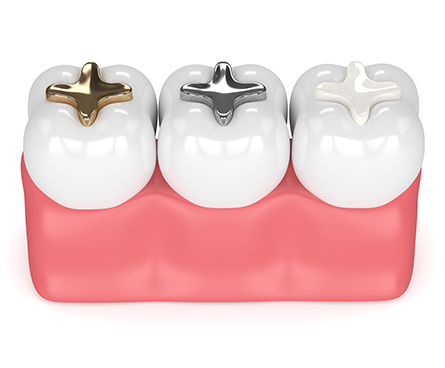
Composite Fillings
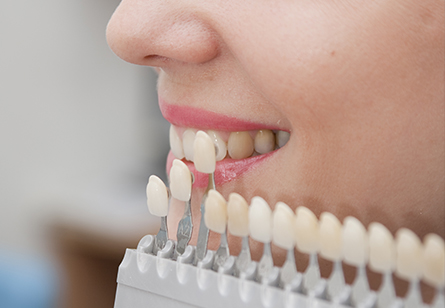
A composite filling is made of resin and plastic and can be customized to match the color of your natural teeth. It is a perfect option for small-to-medium size restorations and can be used for cosmetic improvements such as enhancing the smile by changing the color of the teeth. These fillings need to be replaced typically every 2 to 10 years depending on the size of the repair, location in the mouth, diet (which can stain or discolor this type of restoration and/or the natural teeth requiring the desired improvement by replacement.)
Ceramic/Porcelain Fillings
A ceramic filling made of porcelain is tooth-colored and is more resistant to wear and stains compared to composite fillings. It is made in a dental laboratory (outside of the mouth), and this option can last longer, typically 5 to more than 15 years. It saves tooth structure because each time we replace a restoration, we need to fully clean out the tooth. A restoration that is replaced less frequently will help keep your tooth in function without requiring more invasive care sooner.
Glass Ionomer/Resin Fillings
A resin filling features a combination of glass and acrylic, which is highly recommended for fillings in young children and below the gum line. Glass ionomers release fluoride, which protects the tooth from future damage. These fillings need to be replaced every 2 to 5 years.
Silver Amalgam Fillings
Silver amalgam fillings are historically one of the most common filling materials. They are made of different metals, including copper, mercury, silver, zinc, and tin. This filling is durable, strong, and cost-effective. It can last for 10 to 15 years or more. However, it is rare that we use this type of filling material any more because one, it is not aesthetic, and can discolor teeth, two old amalgams commonly crack teeth, and third, although research shows the material is safe, many people feel very strongly about the contents in the materials. With all these reasons, we use the other options stated here, and it is very rare any dentist would choose to use an amalgam at this time.
If you have silver fillings in your mouth, ask about replacement choices, especially if you have had these fillings for a number of years. Amalgam fillings in themselves do not necessitate replacement per say, they have been a very successful choice of restorative material for decades.
Gold Fillings
Gold fillings are made of gold, copper, and other metal alloys. They are the most expensive fillings due to the cost of the metal compared to other types of fillings but last the longest. If you take good care of your oral health, it is common a gold restoration can last 50 years! The only negative of gold is the extra cost for the metal, and the color of the metal near the front of the mouth or in the “smile-zone” would not be most people’s first choice!
Our Dental Filling Procedure
Our Dental Filling Procedure
Our dental filling procedure includes these steps:
1. Tooth Examination
First, our dentist will examine the tooth that needs to be filled and take an X-ray film to check the extent of the damage and if there is any cavity or minor fracture. If these problems are not treated before placing the filling, they can cause an infection, pain, and further decay. You are typically given local anesthesia for preparing your tooth for a filling, so you feel a minimal sensation throughout this treatment.
2. Applying the Dental Filling
Our dentist will start the procedure once you begin to feel the effects of anesthesia. We will remove the damage or decay of the tooth. After that, our dentist will check the area to determine whether all the damage and decay have been completely removed.
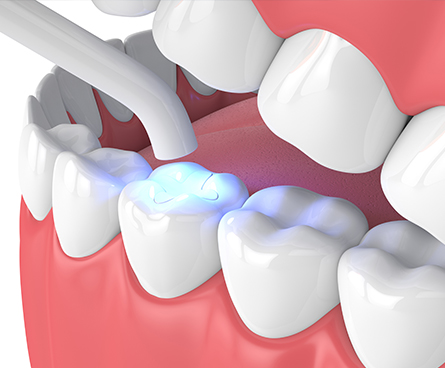
Now, our dentist will clean the bacteria and debris from the area to prepare it for the filling. An adhesive material is placed on your tooth to help the fillings blend well to the tooth. Depending on the extent of the decay, our dentist will apply the fillings in single or multiple layers. The curing light is used to harden the filling if you are having a composite/tooth-colored restoration placed.
3. Polishing the Filling
Once the filling is applied, our dentist will shape it to the desired result to help it look nice and fit your bite, and then polish the filling. These things help your fillings look and feel natural. Our dentist will have you bite down to make sure the filling is in line with your remaining teeth and won’t contribute to any issues when eating.